
Many people are surprised to learn that the same treatments used to smooth wrinkles can also provide incredible relief for jaw pain. Neuromodulators are specialized injections that help relax overactive muscles. When used in dentistry, they offer a highly effective TMJ treatment in Chilliwack for patients struggling with chronic clenching and facial discomfort. By calming the muscles responsible for jaw movement, these treatments stop the cycle of pain at its source.
Finding a skilled dentist near you is the best way to determine if this modern approach is right for your needs. While many people think of dental visits as being only about teeth and gums, a dentist is actually an expert in the entire structure of the face and jaw.
Understanding the basics of neuromodulators
A neuromodulator is a purified protein that temporarily blocks the signals between nerves and muscles. When a small amount is injected into a specific muscle, that muscle stops contracting so forcefully. In a dental setting, this is usually applied to the masseter muscles—the large muscles on the sides of your jaw that you use for chewing.
When you visit a dentist in Chilliwack, they can use these injections to treat the symptoms of Temporomandibular Joint (TMJ) disorders. Because these muscles are often working overtime due to stress or habit, relaxing them allows the jaw joint to rest and heal. It does not stop you from eating or talking; it simply takes the “edge” off the muscle tension.
How these treatments help with jaw pain
TMJ disorders often cause a dull, aching pain that radiates through the face, neck, and even the shoulders. This usually happens because the jaw muscles are constantly tight. Neuromodulators help by forcing these muscles into a state of relaxation.
Patients looking for TMJ treatment near you often find that injections provide relief where mouthguards or physical therapy have failed. The benefits include:
- Reduced Grinding: It becomes much harder to subconsciously clench your teeth at night.
- Fewer Headaches: Many tension headaches are actually caused by jaw muscles pulling on the temples.
- Less Wear on Teeth: By stopping the grinding, you protect your natural tooth enamel from chipping.
- Facial Slimming: In some cases, overactive jaw muscles become bulky; relaxing them can soften the look of the lower face.
The difference between TMJ and TMD
It is very common for people to use the term “TMJ” to describe their pain, but there is a small technical difference. The TMJ is the actual joint—the hinge that connects your jaw to your skull. TMD stands for Temporomandibular Disorder, which refers to the actual problems or pain within that joint and the surrounding muscles.
Neuromodulators are particularly great for TMD that is “muscular” in nature. If your pain comes from tight muscles rather than a bone-on-bone issue in the joint, these injections can be a life-changing solution. A professional evaluation will help pinpoint exactly where your discomfort is coming from.
What to expect during the appointment
The process of receiving neuromodulators at a dental office is very quick and straightforward. In fact, most people are finished in fewer than fifteen minutes. The dentist will feel your jaw muscles to find the areas of greatest tension and then use a very tiny needle to administer the treatment.
Most patients describe the feeling as a small pinch or a bug bite. Because the needles are so small, there is no need for numbing cream or anesthesia. You can go right back to your normal day immediately after leaving the office, making it a very convenient option for busy individuals.
| Phase | What Happens |
| Consultation | The dentist checks your jaw movement and muscle thickness. |
| Injection | Tiny amounts of the protein are placed in the jaw muscles. |
| Initial Effect | You may start to feel the muscles soften in 3 to 5 days. |
| Full Result | The maximum relief is usually felt about 2 weeks later. |
How long do the results last?
Neuromodulators are not a permanent fix, but they provide long-lasting relief. On average, the effects stay active for about three to four months. As the protein naturally breaks down, the muscle activity slowly returns, and you may begin to feel the tension building up again.
The interesting thing about regular treatment is that the muscles can actually “learn” to stay relaxed. Over time, many patients find that they can go longer between appointments because the habit of clenching has been broken. It acts as a reset button for your facial muscles.
Safety and side effects
Because dentists have extensive training in the anatomy of the head and neck, they are some of the most qualified professionals to provide these injections. They understand exactly where the nerves and blood vessels are located, which makes the procedure very safe.
The side effects are usually very mild and temporary. Some people might have a tiny bit of redness or a small bruise at the injection site. It is important to avoid rubbing or massaging your face for a few hours after the treatment so the medicine stays exactly where the dentist put it.
Is this treatment right for you?
If you wake up with a sore jaw, a stiff neck, or a headache every morning, you might be an excellent candidate for this therapy. It is also helpful for people who have noticed that their teeth are becoming shorter or flatter due to constant grinding.
While some people try to manage jaw pain with heat packs or massage, those are often just temporary fixes. Neuromodulators go deeper to address the biological cause of the tension. It is a modern, science-based way to improve your quality of life and protect your dental health at the same time.
Finding Lasting Comfort for Your Jaw
Always having to fight tension in your jaw can be annoying and can really ruin your day. With these modern dental solutions, you can leave behind chronic pain and move toward a future with a light and relaxed jaw. These treatments help to provide a connection between classic treatments and advanced wellness therapy, benefiting the comfort of the person.
To bring some alternative solutions in dentistry, we have taken a more personalized approach, as we know from experience how petrifying dental procedures can be for many.
At Greystone Dental, we know that TMJ pain can take a heavy toll on your life. Thankfully, our team members are prepared to offer you modern solutions in a friendly and professional setting. We take pride in maintaining our position at the cutting edge of dental technology, so our community has access to the best treatments.
If you’re tired of living with facial tension or grinding, contact us and see how we can help you have a more relaxing, pain-free life.
Frequently Asked Questions
Will I still be able to chew my food normally?
Yes, absolutely. The treatment only targets the extreme tension in the muscles. You will still have more than enough strength to chew, talk, and smile naturally. The only difference is that the “extra” clenching power will be gone.
Does insurance cover these injections for jaw pain?
Every insurance provider is different. Some plans cover the use of neuromodulators for medical reasons like TMD, while others may not. It is a good idea to have our office check your specific benefits before you start treatment.
Can I get this done during my regular cleaning?
In many cases, yes! Because the procedure is so quick, it can often be added to your regular checkup once you have had an initial consultation. This makes it very easy to stay on top of your pain management.
How do I know if my pain is muscular or joint-related?
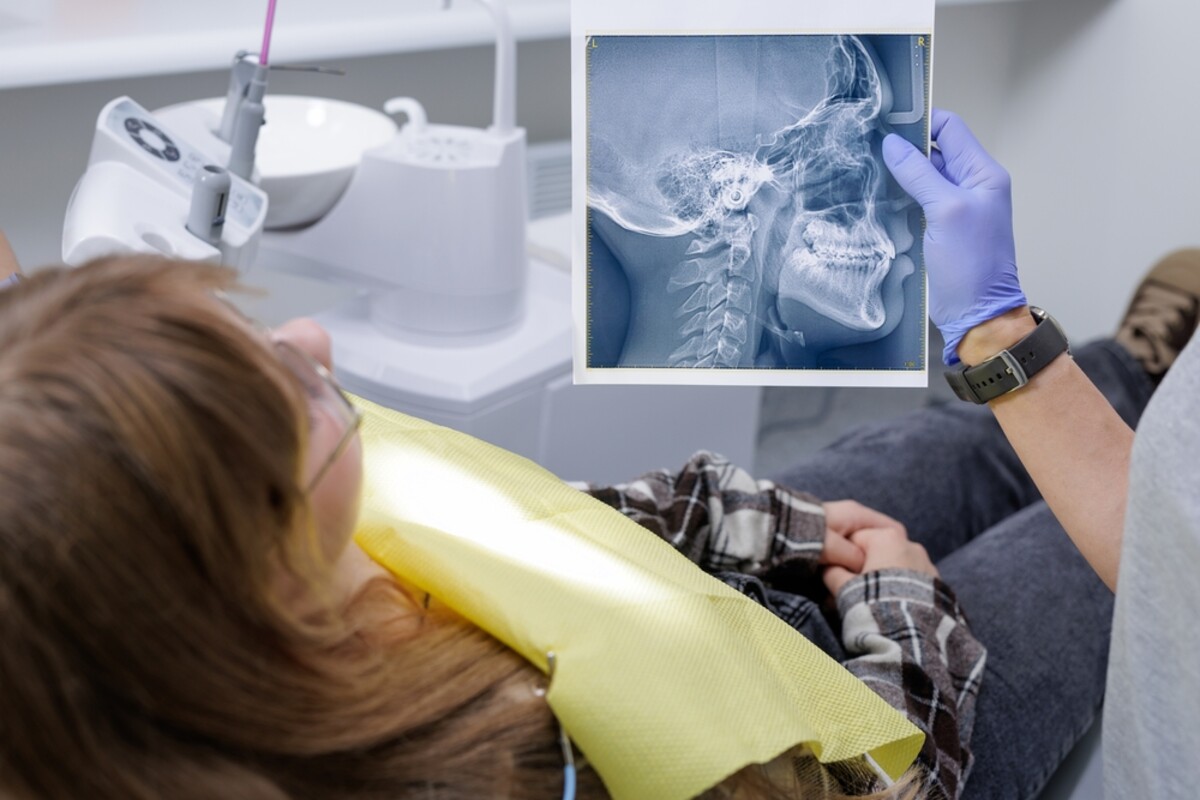
During an exam, the dentist will listen for clicking or popping sounds in the joint and feel for muscle knots. If your pain gets worse with stress or happens mostly in the morning, it is very likely a muscular issue that would respond well to this treatment.