

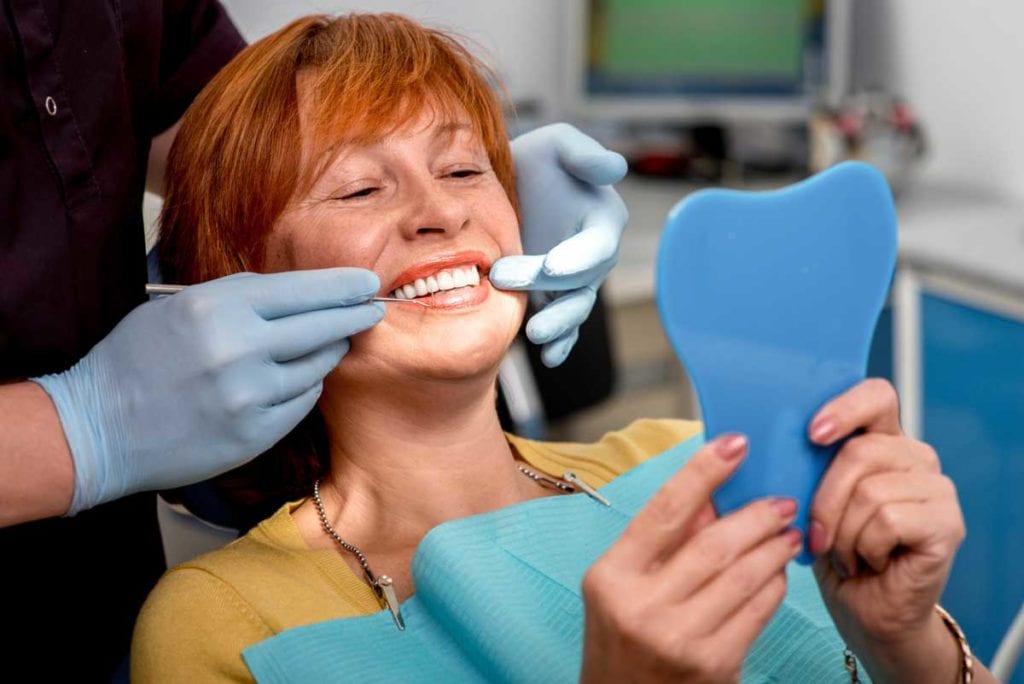
When you lose a tooth, the jawbone in that area may slowly become thinner and weaker. This happens because the bone no longer gets the pressure from chewing that helps keep it strong. Even if you have been missing a tooth for several years, you may still be able to get a dental implant. A dental clinic in Chilliwack can check how much bone is left and whether an implant is right for you. The decision depends on the health of your jawbone, gums, and nearby teeth.
Dental implants in Chilliwack may be considered even after long-term tooth loss, but some people need extra treatment before an implant can be placed. A bone graft may help rebuild areas with too little bone to support an implant. A dental examination and scans can show how much bone is available and help guide the treatment plan.
Why Does Jawbone Shrink After Tooth Loss?
When you chew, pressure on the tooth root helps keep the jawbone strong. After a tooth is lost or removed, this pressure stops. Over time, the body may start to break down some of the bone in that area.
Bone loss can start soon after a tooth is removed and may continue over time. How much bone is lost depends on the person, the reason the tooth was lost, the health of the gums, and how long the tooth has been missing.
Fewer bones do not automatically mean an implant is impossible. It means the area needs to be checked before treatment.
Can You Get an Implant Years After Losing a Tooth?
Yes, an implant may still be possible years after tooth loss. The key question is whether there is enough healthy bone to securely hold the implant, or whether the area needs to be rebuilt first.
A dental clinic near you can arrange an examination to assess the jawbone and check gum health. The dentist may also use 3D imaging to measure the bone’s height, width, and shape.
Your treatment options may include:
- Placing an implant directly if enough suitable bone remains.
- Building up the bone before implant placement.
- Using a different implant position or treatment approach when appropriate.
- Considering another tooth-replacement option if an implant is not suitable.
The length of time since tooth loss matters, but it does not determine the outcome on its own.
What Is a Bone Graft, and When Is It Needed?
A bone graft adds bone material to an area where the jawbone is too thin or too low to support an implant safely. The material may come from your own body or from a prepared bone substitute.
The graft needs time to heal and join with the surrounding bone. Depending on how much bone is missing and where the implant will be placed, grafting may be done before or at the time of implant placement.
Healing can take several months. The dentist will explain the expected timeline based on the amount of bone needed and your overall oral health.
What Factors Affect Implant Success?
Before recommending treatment, the dentist will check several factors that can affect healing and implant stability.
- Bone amount and quality: The implant needs enough suitable bone for support.
- Gum health: Gum disease needs to be treated before getting a dental implant.
- Overall health: Some health problems and medicines can affect healing.
- Smoking: Smoking can slow healing and increase the chance of implant problems.
- Daily care: Brushing, cleaning between your teeth, and regular dental checkups help keep the implant and nearby gums healthy.
A dental clinic in Chilliwack can check these factors and explain if anything needs to be treated before you get an implant.
What If There Is Not Enough Bone for an Implant?
When bone loss is severe, an implant may still be possible with additional treatment, but not every case can be corrected. The amount and location of missing bone, the position of nearby nerves or sinuses, and the health of the gums all affect the available options.
A dental clinic near you can explain whether bone grafting or another approach may work. If an implant cannot be placed safely, options such as a dental bridge or removable denture may help replace the missing tooth.
Take the Next Step Toward Replacing Your Missing Tooth!
A missing tooth does not always rule out future implant treatment. Greystone Dental can assess your oral health, explain the available options, and help you understand whether additional bone support may be needed. Book an appointment to discuss your goals and plan the next steps toward replacing your missing tooth.
FAQs
Does bone loss mean it is too late to get a dental implant?
No. Even if several years have passed, you may still be able to get an implant. If there is not enough bone, a bone graft may help build up the area.
How do I know if I need a bone graft?
The dentist will examine your mouth and take images to check if your jawbone is strong and large enough for an implant. They can tell you if you need a bone graft.
Does a bone graft hurt?
The dentist uses local anaesthetic to numb the area and help reduce pain during treatment. You may have some swelling, soreness, or bruising afterward. Healing time is different for each person.
How long does the full implant process take after bone loss?
It depends on the amount of bone available and whether grafting is needed. Healing may take several months before the implant can support its final tooth.